


Basics of Nutritional Ketosis
What is Keto, how to do it, how to succeed.
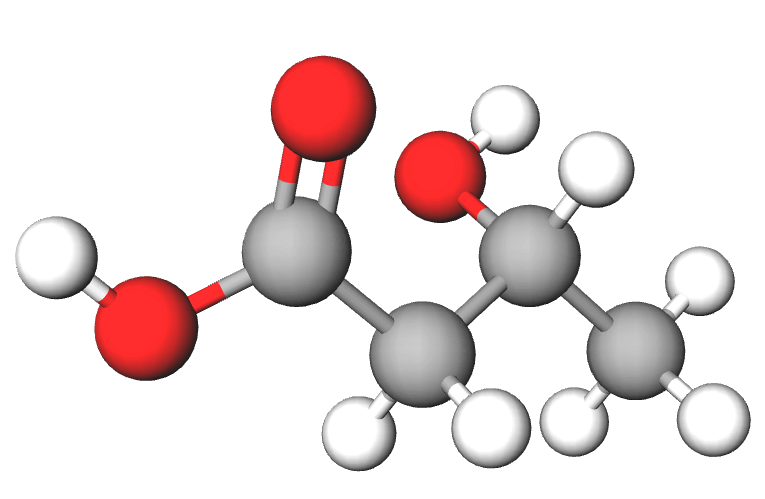
(the molecule is Beta Hydroxybutyrate – one of the ketone bodies you live on while in ketosis; because: Science!)
What is “Keto”?
If carbohydrates are available, your body will burn that first. If carbs are not available, your body will burn fat & your fat stores!
“Keto” (scientifically known as “Nutritional Ketosis” but usually referred to as just “keto” or a “ketogenic diet”) involves restricting your diet to moderate protein, very low carbohydrates and high fat. It’s similar to the the Atkins diet, but with more solid science.
When you are consuming enough protein to keep muscles happy, restricting carbohydrates as low as possible and making up the rest of your calories in fat, your body switches into a fat burning mode. Your liver will begin converting fats into energy molecules known technically as “ketone bodies” – which is where the name of the diet comes from.
People end up with MORE energy and vitality on a ketogenic diet. Muscle cells are finally gaining energy instead of all the fuel getting stored away in fat cells because of insulin, specifically insulin resistance.
How to do Keto
The details of Keto can get difficult but the basics are easy:
- Avoid carbohydrates as much as possible. You’ll need to stay below 20 or 30g a day. Get used to looking at food labels. Carbs are an upper limit, meaning do not go higher than that. You want to be as far below them as possible, approaching zero if you can.
- Get enough protein to maintain muscles, generally 1-1.5g of protein for each KG of lean tissue (there are calculators to help!). You want to hit your protein goal. If you go over it, that’s not a big deal. There’s a thing in your body that can turn protein into glucose but it’s DEMAND driven, not supply driven, and so long as you’re keeping your carbohydrates low, your insulin will be low as well and too much protein isn’t something to be concerned about. Too little protein is a problem. A lot of people argue about this but Dr. Benjamin Bikman settled the debate back in 2018.
- The rest of your calories come from healthy fats. If your insulin is low then your body will be able to supply fat using your body’s reserves (yay!). If you are just starting keto then your insulin is likely high enough that the fat is locked away and you will not be able to access it readily. Here’s the rub: you’re not eating carbs so you don’t have glucose; but you also can’t access stored fat so unless there’s sufficient fat on your plate, your cells will not have any sources of energy and you’re going to get hungry. Probably REALLY hungry and think this keto thing is a pack of lies. The solution is to make sure you are getting sufficient fat until your body figures out what it’s doing and can pull from storage. Especially when you’re starting up the amount of fat you’re eating. Throw some extra butter on your steak, add some more heavy cream to your diet root beer, etc… After you’ve adjusted, then you can start running a caloric deficit but you’re probably not even going to need to deliberately do it since your body should clue-in and tell you “nah, I’m full – save that for later”
- Get enough electrolytes (we can’t empasize this enough): get salt. Like: a lot of salt. Not to be melodramatic but everything you’ve been told about limiting salt consumption is dead wrong and has no application to a ketogenic diet with low insulin levels. Salt your food. Salt your drinks. Eat some pickles. Drink some pickle juice. Make some chicken broth. Add more salt to your food. Failure to get enough salt will result in you feeling like crap and getting “Keto Flu” – We can speak from experience.
After 2-3 days, you’ll be in “ketosis” or fat burning mode!
Recommended Reading
Keto in a Nutshell – “A hit-the-ground-running introduction to not being fat anymore”
https://www.reddit.com/r/keto/wiki/keto_in_a_nutshell
Keto F.A.Q. – Frequently asked questions (and answers =)
https://www.reddit.com/r/keto/wiki/faq
2 Keto Dudes Podcast – in particular, their “Starting Keto” episode
http://2ketodudes.com/show.aspx?episode=48

Tips
Being in nutritional ketosis has many benefits
- Your blood sugar stabilizes. It will only go up and down in response to protein, and the time of day. This will also cause changes to how your body uses insulin (plus it needs far less insulin). Your body will stop producing as much hunger hormones like Ghrelin.
- With the change in blood sugar and insulin, your fat cells switch from a “gotta catch ’em all” state of hoarding energy to releasing stored fat for energy.
- Your tissues store glucose coupled with water (glycogen). When first starting keto, and those reserves are depleted, the water comes out and you lose a bunch of weight – though it doesn’t happen to everyone.
1 and 3 make sticking with the diet easier. The abrupt loss of water weight entices people to continue (personally I lost 4 pounds my 4th day). “Lower levels of hunger hormones give you more will-power. In my own experience, this makes dieting far more enjoyable – instead of “I’m always hungry all the time and am about to die!”
1 and 2 make it easier to eat with a caloric deficit even if you have no will power.
2 gets your body burning fat stores, which is kinda the point right?
Now for the difficult parts
- There is a change-over period (4 days, more or less) where your body is going to revolt a bit. You’ll likely have cravings for carbohydrates and you will likely feel hungry quite a bit. Soon, however, your body will give up and switch to ketosis. After a while the desire for carby food may completely disappear. I recommend starting at a higher calorie amount (2000 or so depending on your needs) so you can concentrate on kicking carbs. As time goes on you can lower the calories.
- During this same transition period, if you don’t watch your electrolytes you may feel weak, disoriented, or light headed. It’s often called the “keto flu” because it can feel like you have the flu. Your body needs more electrolytes in ketosis and it’s even worse while you are burning up that glucose+water reserve and dumping electrolytes in the beginning. This additional requirement is why the Sodium and Potassium levels in Keto Chow are so high. Easy fixes for keto flu: chicken broth, pickle juice, or an electrolyte supplement like Keto Chow Electrolyte Drops.
- “Bursty” muscle action like lifting weights or sprinting can take a hit with less glucose available. The upside is that endurance for other activities (after about 2 weeks) will go through the roof. It’s one of the reasons Ketogenic diets are fast becoming a preferred diet for competitive marathon runners.
- You’ll need to learn how to calculate “Net Carbs” – take total carbs on a nutrition label and subtract the fiber (and sugar alcohols besides maltitol). In the following example, the 23g ends up being 4g net carbs or 1/6 your daily allowance:

- You need to be careful to get all your nutrients, it’s easy to find a couple foods that work and miss some vital vitamins. This is where Keto Chow comes in =)
Keto Chow makes keto easy(er)
Why I make Keto Chow. By Chris Bair, founder of Keto Chow
I want to help people change their lives… and help them not go nuts in the process.
Nutritional Ketosis (aka “Keto” or “Ketogenic Diet”) can be highly effective but it’s daunting, especially for beginners. Keto is the only thing I have ever tried that has had any lasting effect on my health and my weight. I consider it like the “Konami Code“: a cheat or hack, because of how effective it has been in turning around my life (and the lives of family, friends, and former strangers =). I’m committed to helping others get into the Keto lifestyle and Keto Chow makes doing Keto easier; not only for beginners that are just starting out, but also for grizzled veterans who have been doing keto for years.
When you first start doing Keto, there is a lot of information to be learned. There’s new vocabulary, new science, new lists of things you should or shouldn’t eat. It can actually be a bit dangerous if you don’t do sufficient research and don’t know that insufficient electrolytes will make you feel terrible (it’s called “Keto Flu” and it isn’t any fun) – that was one of the mistakes I made when I started Keto. I also started keto using a meal replacement shake that was loaded with coconut flour, chia seeds and other gritty stuff.
My goals in making Keto Chow were:
- Make figuring out Keto easy. Easy on your brain and easy to prepare the food.
- Keep people from running into electrolyte deficiency (the aforementioned “Keto Flu”).
- Make it tasty enough that you’ll not just tolerate it but honestly, actually, for realsies, enjoy consuming it (and want more).
- Make sure people are getting the vitamins, minerals and other nutrients they need to be healthy. Likely healthier than ever before.
Here’s the honest truth: I completely and entirely believe in this product and the Ketogenic diet. It’s not the end-all, be-all answer to everything in the world and I don’t eat it all day, every day for every meal (because: bacon and cheese). But I do have it for most meals.
I made Keto Chow for myself, it just happens to be the sort of thing that other people like too. It’s easy to prepare meals and I don’t have to worry about missing out on weird vitamins or minerals. I hit my macronutrient goals. I’m getting my electrolytes and it’s REALLY good tasting – like I’m always sad when my Chocolate Peanut Butter is empty. I mix up a couple days worth at a time and am able to just grab containers out of the fridge on my way out the door.
All of these are unsolicited messages from users of Keto Chow (except that last one which is my own experience). All gave permission after sending them for me to use on the site.
Actual User Testimonials
I started Keto on October 20, 2014 by the end of the first year I’m 77% the man I used to be.
 Chris Bair, See the full post


